No Means No

It may only be June 15, but take a look at my photo stream and it’s clear I’ve already squeezed in an entire season’s worth of activities before the summer solstice.
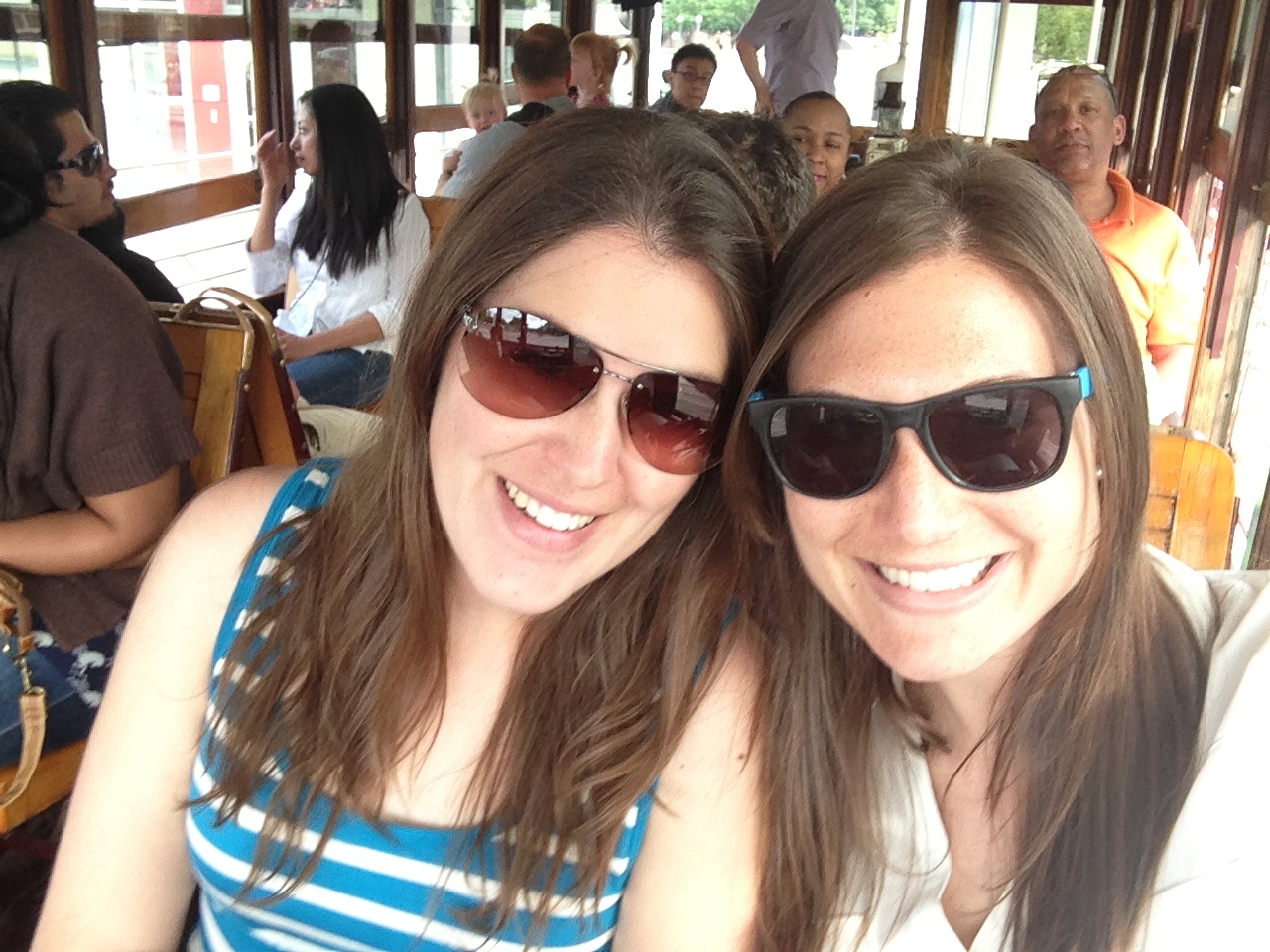

photo 1
I rode an old-timey trolley with my old-timey sister (jokes!) during a whirlwind Dallas birthday weekend.
photo 2
I bet entirely too little money on Oxbow at the Preakness Stakes during a whirlwind Baltimore gambling weekend.
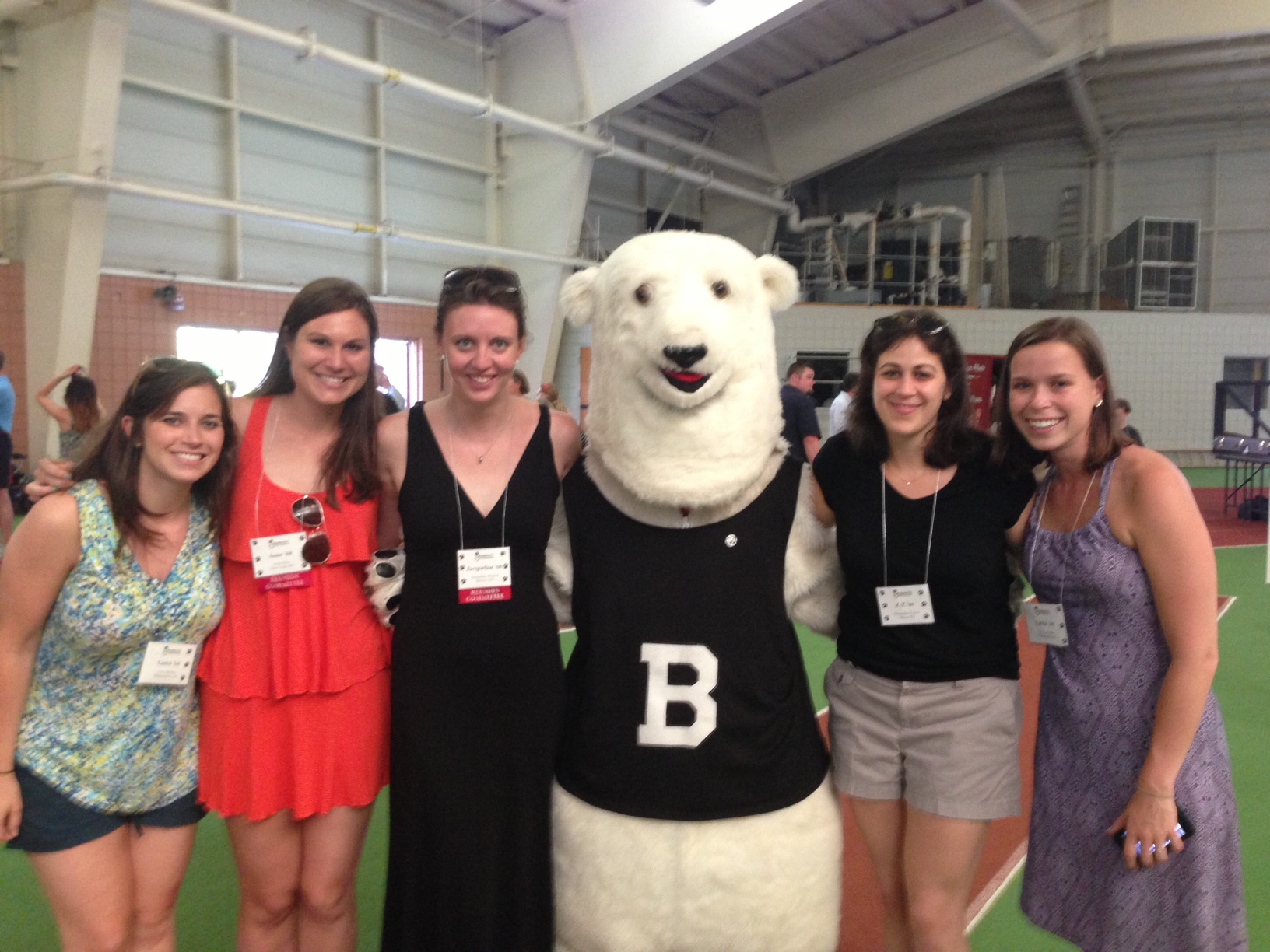
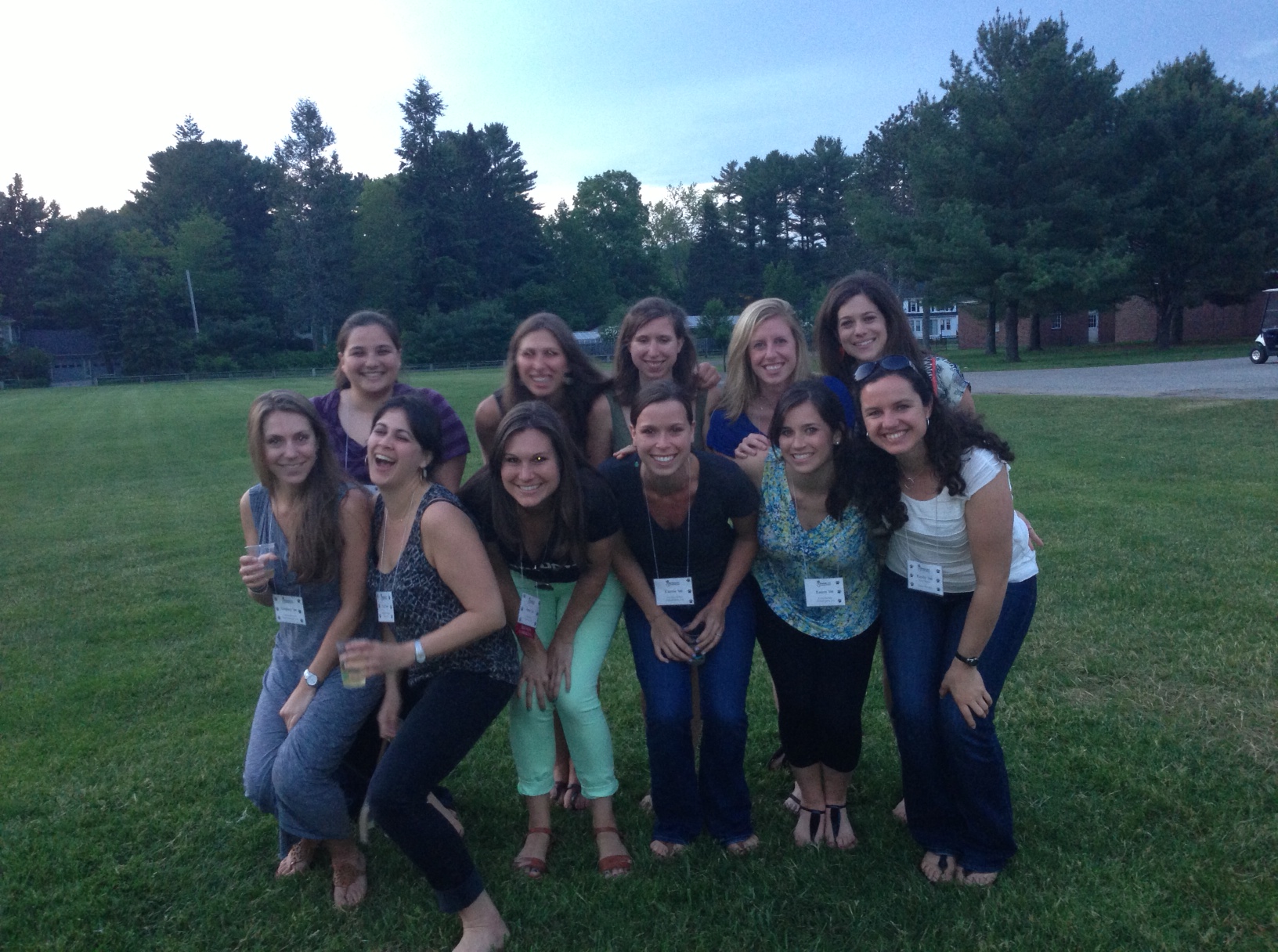
I got intimate with the world's best college mascot during a whirlwind Maine drinking weekend.
I got intimate with the world’s best college mascot during a whirlwind Maine drinking weekend.
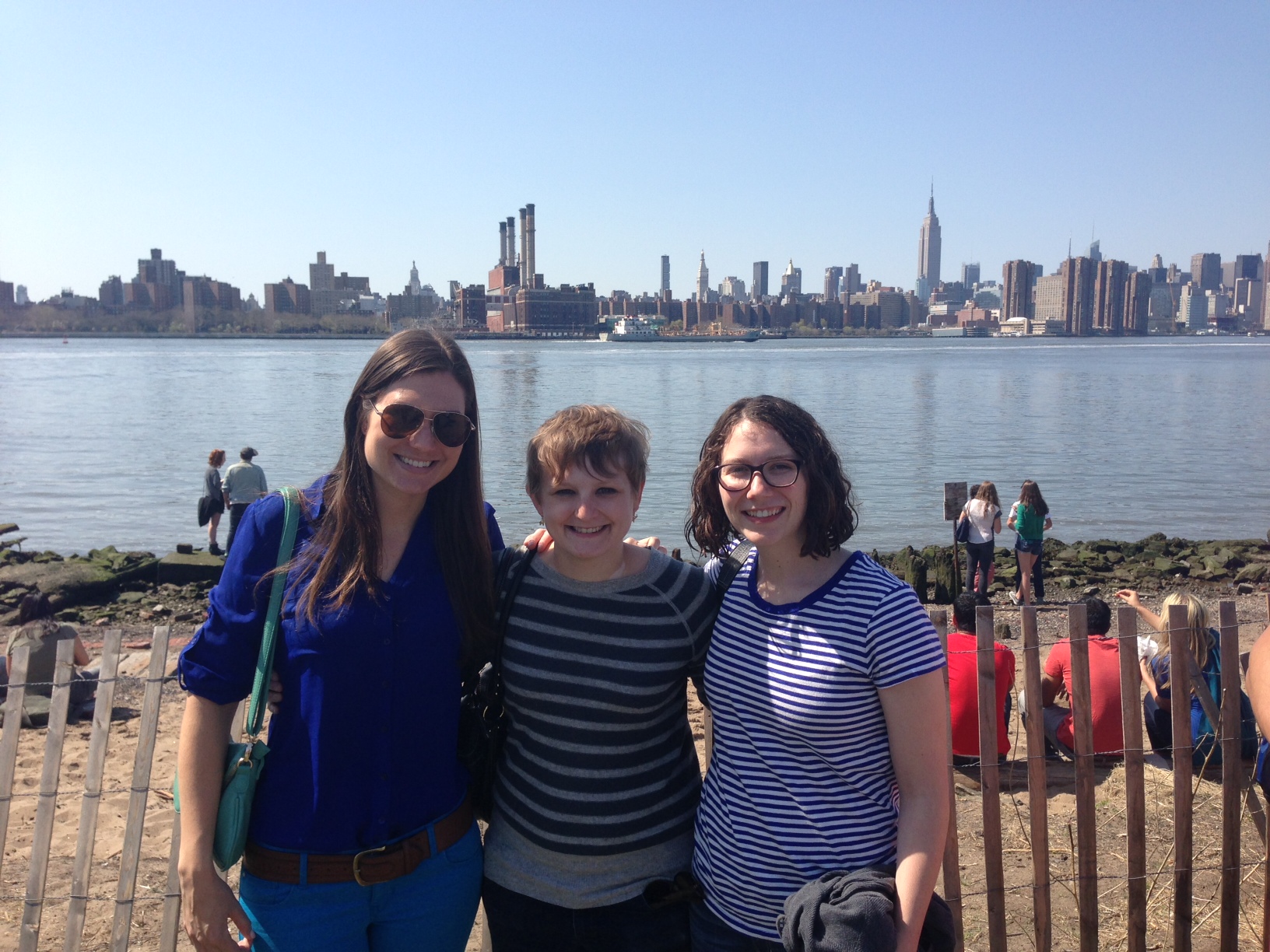
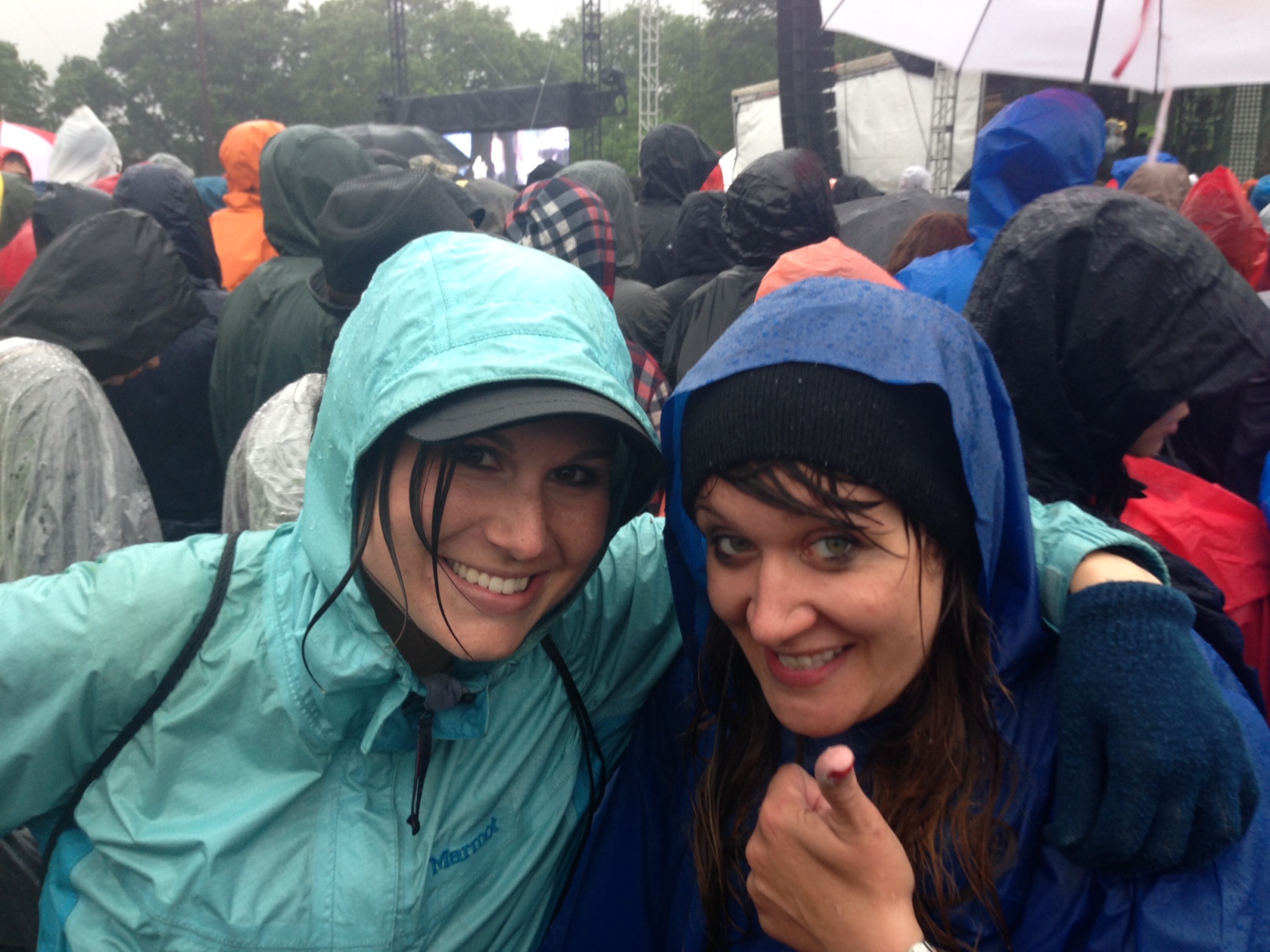
I came to appreciate the joy of a hot shower during a whirlwind New York festival weekend.
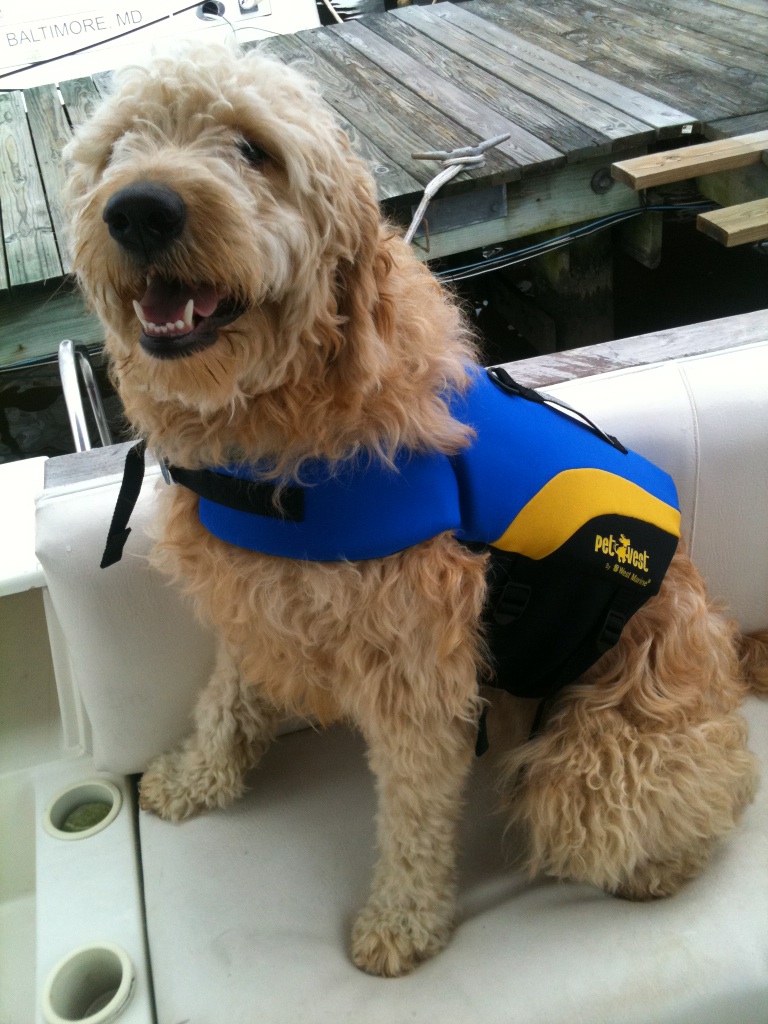
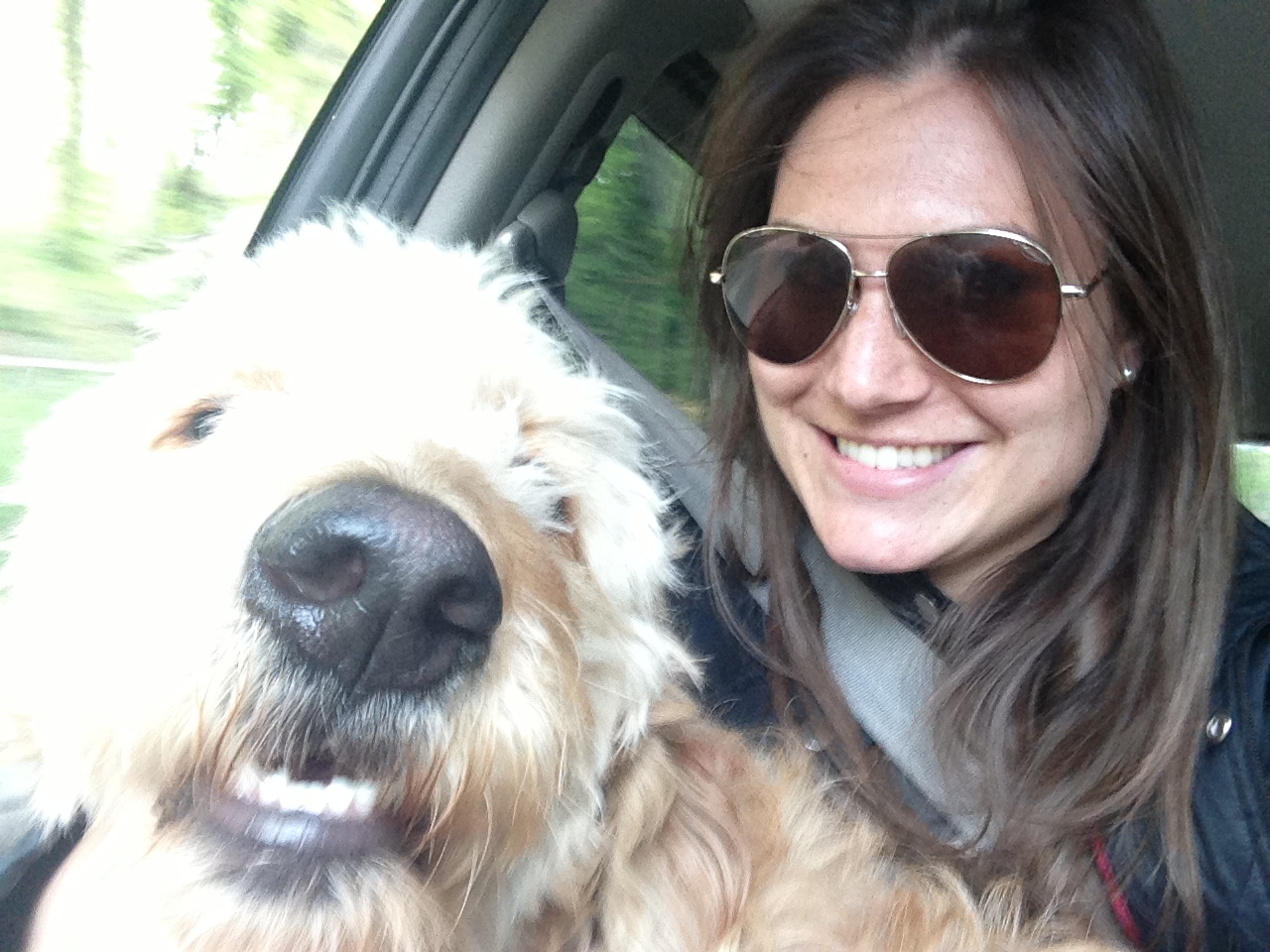
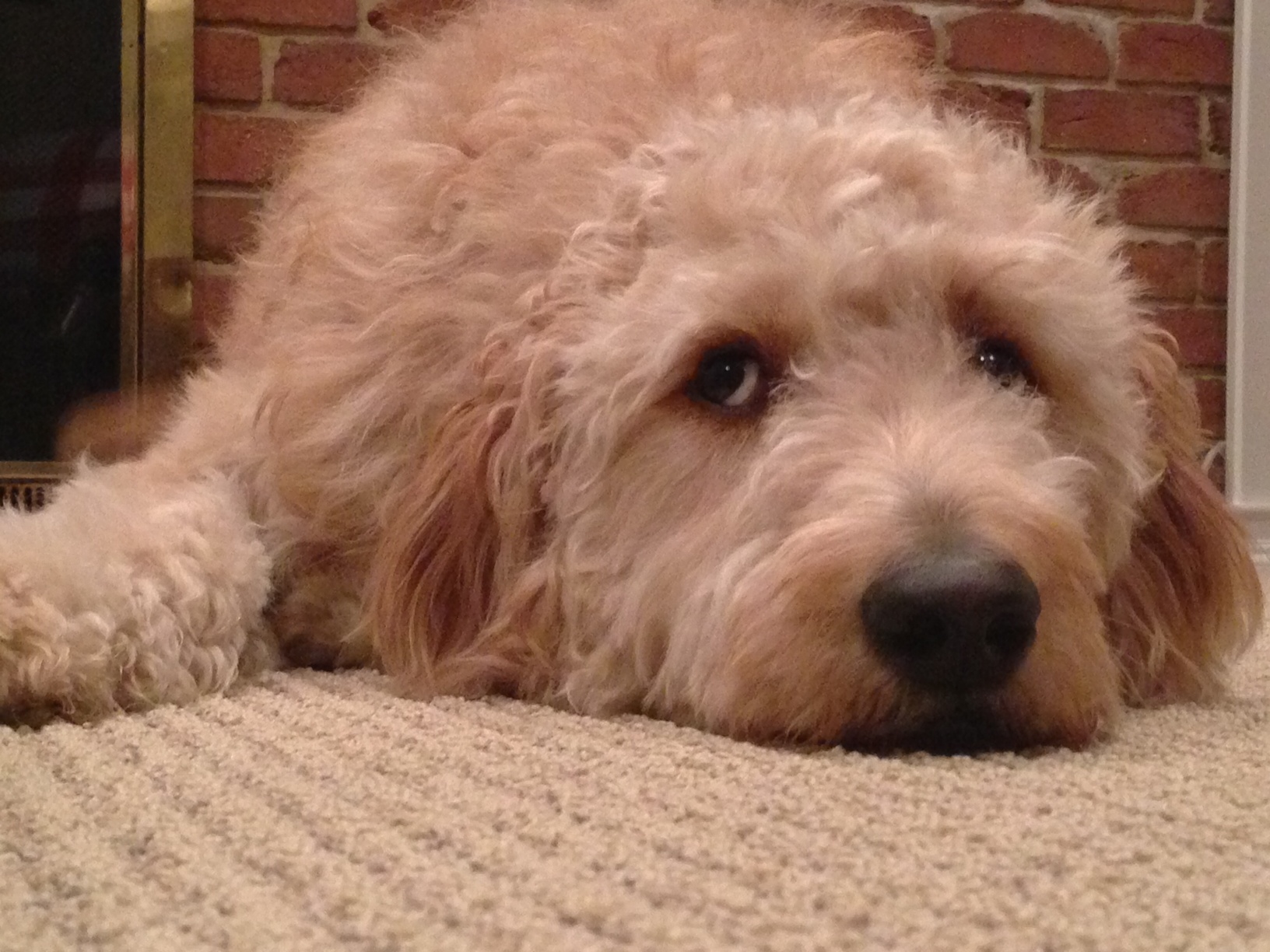
I learned humans make better first mates than goldendoodles during a whirlwind deep sea shipwreck weekend.

And that’s just a few select excursions. Ever since the mercury hit 60+ degrees, my weekends and weekdays alike have been jam-packed with summertime staples, from outdoor concerts and backyard BBQs to boat rides and baseball games, not to mention the steady stream of dinner parties and movie nights that span the entire calendar year regardless of climate.

If you were to follow my facebook feed, you’d think I’m having the best summer of my life. And to a large extent, I am. I’ve been constantly surrounded by good food, good music and good friends since Good Friday, and with a Broadway show, a rooftop party and a dim sum date in Flushing, Queens, still on the agenda before this weekend is up, it looks like I’m in store for yet another summer weekend for the record books.

Has it been fun? Absolutely. But throw in a few 55-hour work weeks, a six-day-a-week triathlon training plan and some silly desire to spend more than a few waking minutes per week with my main squeeze and I’m starting to feel a little like Liz Lemon on sandwich day:

Source: The Internet.

But if I’m honest with myself, when it comes to having it all this summer, the truth is I can’t. It’s hard to turn down a social invitation anywhere, but in New York especially, with so many free and outdoor and artisanal-pop-tart-filled events slated throughout the summer, it feels like a crime to decline a single one. As a result, I find myself saying ‘Yes’ to every RSVP that comes my way from May to September, leaving my calendar filled to the brim — and my mental wellbeing on a gradual downward slope.

It’s time I admit it to myself: I can’t realistically keep going out with friends every evening, sleeping less-than-required by doctors every night and then waking up to swim/bike/run every morning and expect to continue to do everything well. By packing too much into each 24-hour period, I may be filling my iPhone camera roll with the best filter-free snapshots this side of the Mississippi (and on that side, if you count my summer-starting weekend in Dallas), but I fear I’m also starting to wear myself precariously thin. I may be making some killer summer memories, but my sleep schedule is out of synch, my cortisol levels are through the roof and my athletic performance is starting to waver, and that’s just not a sustainable model.

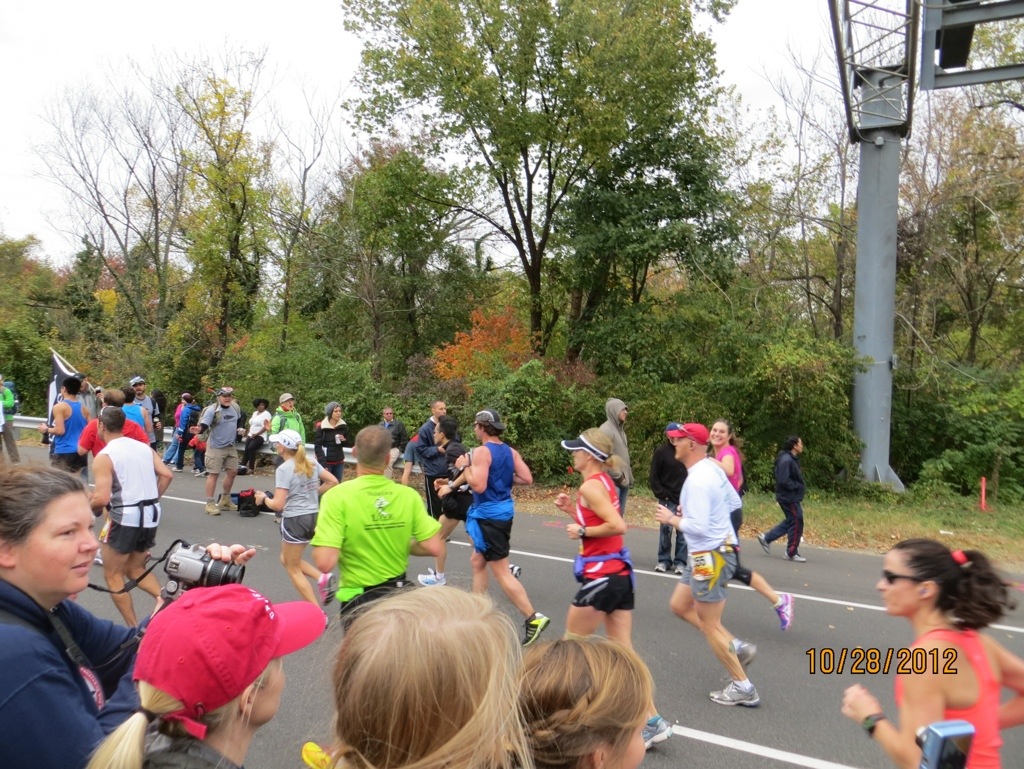
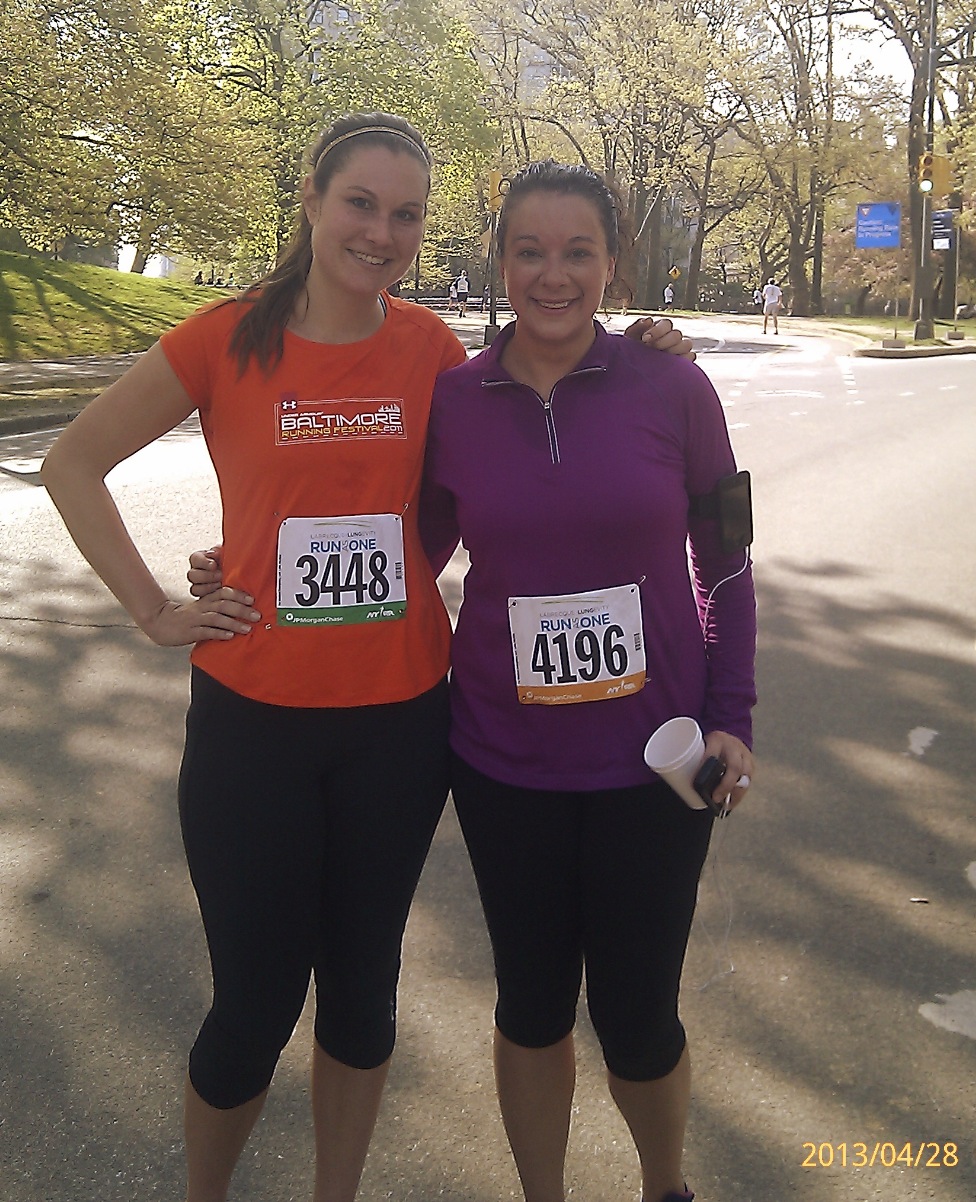
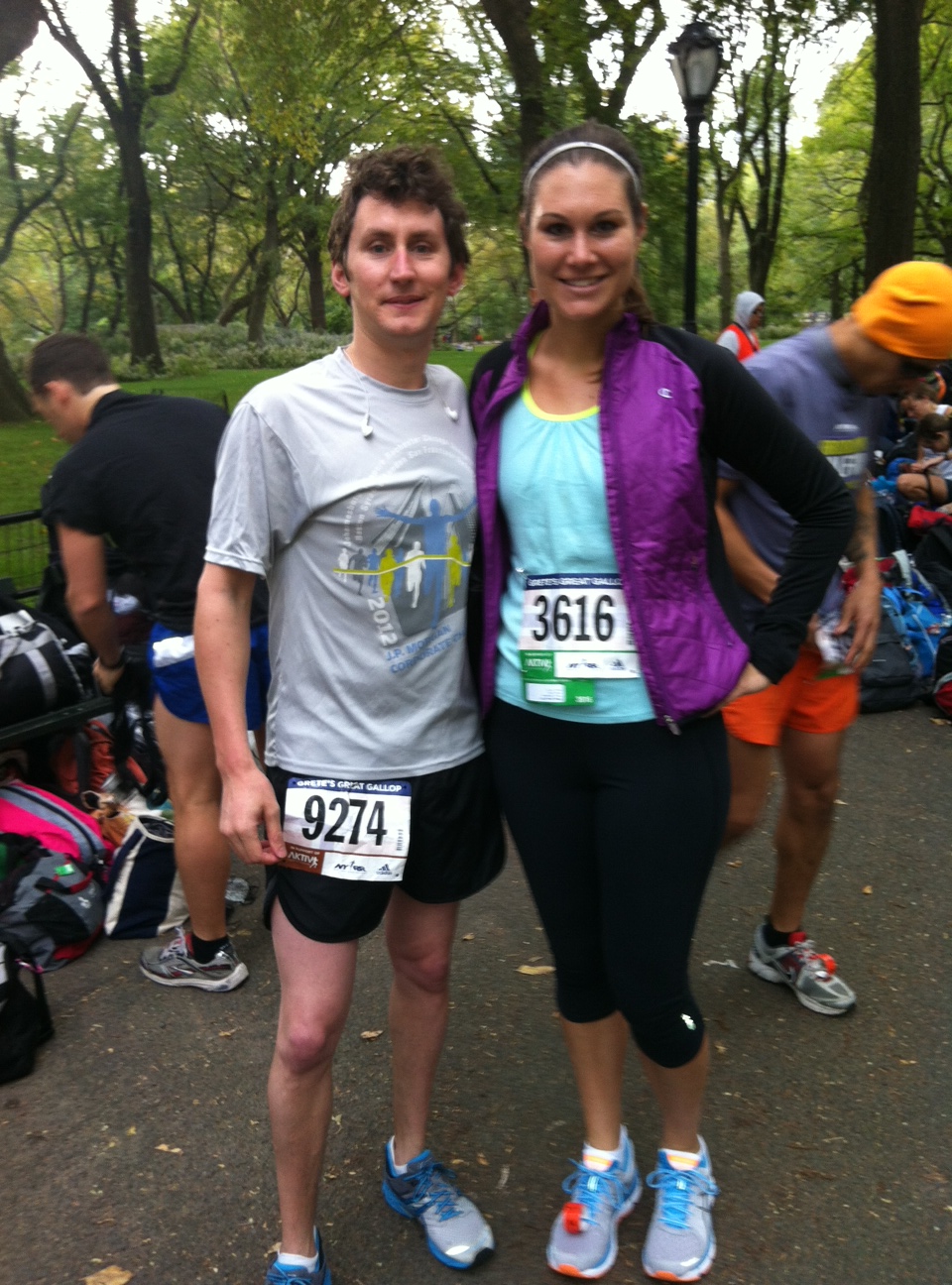
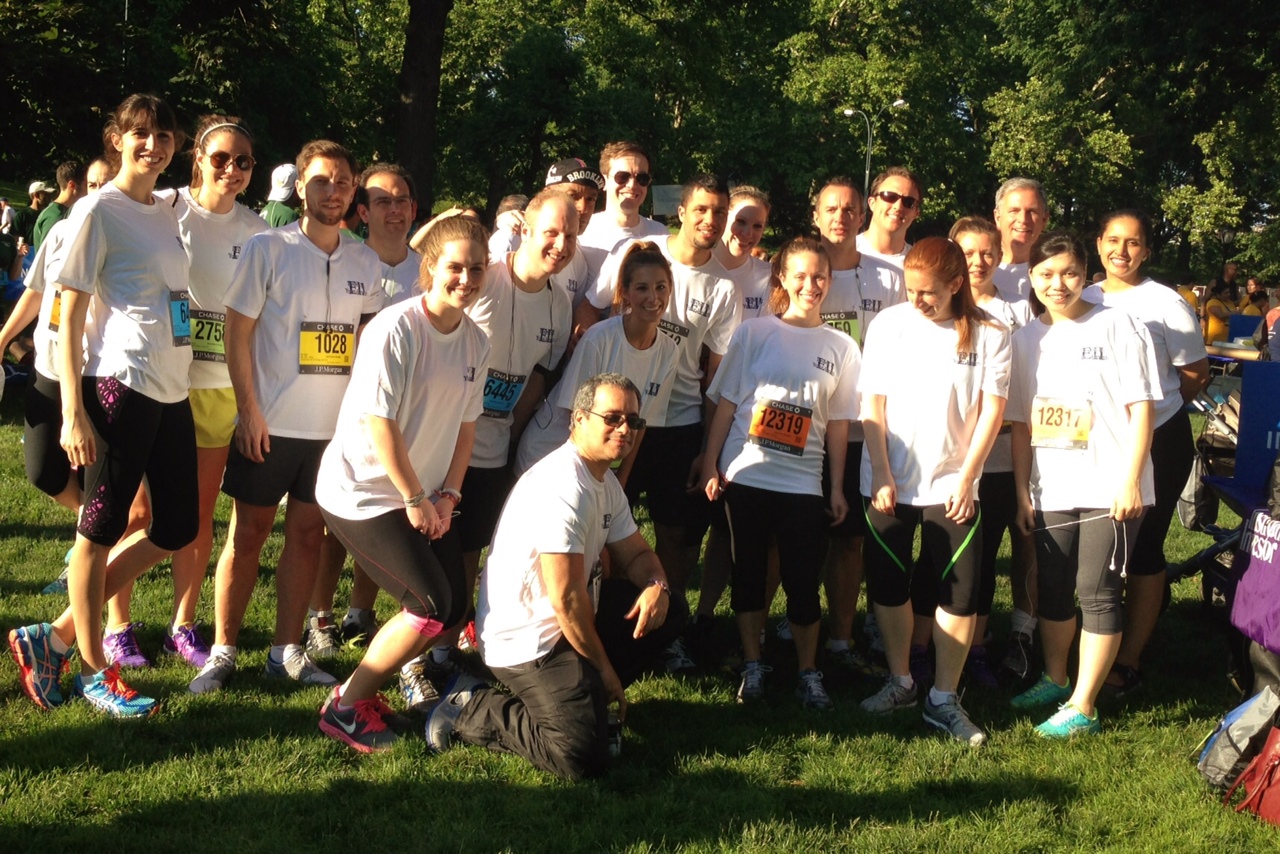
Take, for example, this past week’s JP Morgan Chase Corporate Challenge in Central Park. Having clocked a finishing time of 26:43 at a pace of 7:38 last year, I had hoped I’d manage a similar finish this year. One year later, one year fitter, right?
photo

Wrong. After taking more than a month off racing in order to clear my social calendar for the aforementioned weekend getaways, sleepless nights and subsequent hangovers, I arrived at Wednesday evening’s starting line tired and relatively out of shape, and my performance showed it: after a speedy first mile, my chest grew tight, my stride wavered and my confidence plummeted, and I ended up tacking on a solid minute and 20 seconds from last year’s time. I know crossing the finish line at 28:02 is nothing to scoff at in the scheme of things, but the pain I felt mid-race and the soreness I felt the entire next day after racing just 3.5 miles was a real wake-up call that — if I’m going to be a (semi) serious athlete — I simply can’t have it all.

Don’t worry friends: I’m not advocating full-out hermitship. But if I’m going to train for another marathon this summer and survive to tell the tale, I’m going to need to better prioritize the hours in each 24-hour period between now and November 3. That means fewer weekday events and late nights, coupled with more hours of sleep and miles on my feet. It also means convincing more friends to socialize with me on a spin bike or around the Central Park loop, rather than over beers at happy hour. Everyone likes a yes-man, but as I get my body back into marathon shape, I think the occasional ‘No’ is the way to go. It’s going to be a change, sure, but I think it’s a worthwhile one.

How do you make social sacrifices for your training schedule? 
Non-Reckless Behavior

Little in arts and film is idealized, glorified or downright romanticized more than the act of sheer recklessness.

Forgoing your dream job to drive from Boston to California to see about a girl? Romantic. Flinging yourself back into the RMS Titanic from the safety of your lifeboat in order to spend one steamy evening with Leonardo? Glamorous. Stealing your honorable but frail father’s conscription notice, dressing as a man and running away to join the army, where you save both your family’s honor and all of China and win your commander’s heart to boot? Impractical, reckless and arguably the plot of the best animated feature film produced by Disney to date.

But while recklessness is a crucial plot point in most Hollywood blockbusters (why yes, in fact, I do classify Mulan as a Hollywood blockbuster), there’s at least one arena where it doesn’t have a place: marathon training.

I realize to an outsider, the act of running a marathon appears quite reckless at face value. Putting your body through 16 weeks of aggressive strain and inevitable muscle tear so you can run at full force for four straight hours come game day? I see how that could come off as negligent and careless. But in fact, marathon training is quite the opposite. If you’re doing it right, everything is carefully calculated – the length of your long runs, the effort of your speed work, your running strategy come race day – and that process of constant calibration in fact leaves very little up to chance besides the weather on Marathon Sunday itself. Running, if done in a thoughtful way, is anything but reckless.

But while most runners I know are very thoughtful in their training itself, I find that that restraint is often willfully abandoned in the wake of an injury. Tell a runner she needs to trek 16 miles on Saturday and she’ll be there will bells on; tell her she needs to skip the trails for a week in order to recover from glute pain and she’ll fight you tooth and (blackened toe-) nail.

So believe me when I say that it was with great difficulty that I took this past week off running altogether as I attempt to will my aching knee back into submission. Despite a week of glorious running weather, I took full rest days on Thursday through Sunday, then swam Monday, biked Tuesday and elipticized Wednesday while my lonely Asics watched me from my closet. Feeling stronger, I suited up and went for an easy, slow 3-mile jog Thursday morning and – what do you know? – it felt downright fine. I’m sure it’s too early to say I’ve healed myself completely, but at least my week of non-reckless recovery appears to have somewhat paid off.

And that’s not the only non-reckless behavior that’s paid off for me this week. After six hours in the pouring rain at outdoor music festival Governor’s Ball on Friday night, the fields had transformed into eight inches of solid, non-traversable mud and my concert date and I decided to make the adult decision and skip out on the headliner, Kings of Leon, and make our way back to Manhattan before tropical storm Andrea washed us away completely.

Thar' she blows!
Thar’ she blows!

It wasn’t the fun decision or the spontaneous decision or the reckless decision, but it was the one we made — and it turned out to be the right one: Kings of Leon also bailed. Well played, sirs.

What non-reckless decisions have you been making recently? Kings of Leon, this one’s for you.

Life Has a Funny Way

I’ll blindly stand behind most things nineties — Lisa Frank, Tamagotchis, that puppet dinosaur show that briefly aired on TGIF — but Alanis Morissette’s hit single “Ironic” has always annoyed me just a bit.

A traffic jam when you’re already late. A no-smoking sign on your cigarette break. It’s like ten thousand spoons when all you need is a knife. It’s meeting the man of my dreams and then meeting his beautiful wife.

Catchy, sure, but the misuse of the song’s titular theme drives me a little crazy. Pick up a dictionary and irony is defined as incongruity between the actual result of a sequence of events and the normal or expected result. Rain on your wedding day isn’t ironic, Alanis — it’s just unfortunate. Also, it’s probably time to thin out your silverware drawer, you spoon hoarder, you.

But while a black fly in your Chardonnay is arguably more unsanitary than ironic, I believe I actually did experience some de facto irony this past week. You may recall that after two years of injury-free running without any supplemental strength training, I finally decided it was time to stop pushing my luck and build some lean muscle mass. Countless studies have shown light weightlifting and strength training can help prevent common running injuries, and with my second marathon training cycle fast approaching, I figured I really shouldn’t leave myself so susceptible to wear and tear. So I woke up early on Wednesday, trekked to the gym, squatted and lunged my way through a 60-minute strength class and returned home proud of my preventative efforts at keeping myself injury free.

I then packed a suitcase with tons of running gear and a surprising lack of 80s paraphernalia given I was on my way to my five-year college reunion, grabbed my boarding pass and hopped a plane to the always hideous Maine coast.

Worst. View. Ever.
Worst. View. Ever.

I knew my reunion weekend would be busy between beach trips and lobster bakes and dance parties and — let’s be honest — the caliber of hangover only a 27 year old pretending to be a 21 year old can muster, but I still figured I’d get in a few gorgeous runs beneath the pines before returning to New York City tonight.

My right knee, however, had other plans. Fast forward to Friday morning, and I suddenly couldn’t walk.

Now I’m not talking run-of-the-mill-sore-muscles-couldn’t-walk. I’m talking couldn’t-bend-my-right-knee-without-agonizing-pain-couldn’t-walk. Somehow between going to sleep on Thursday night and awaking on Friday morning, my right knee had forgotten how to straighten or transfer weight or traverse stairs, leaving me with excruciating pain, a noticeable limp and my first debilitating exercise-related injury since my second-grade self fell off her bike and broke her leg.

I skipped my planned Friday run in hopes the pain would pass, but after waking up to find my knee just as stiff Saturday morning and still not 100 percent today, I’m afraid maybe I really did do some damage. I guess it’s possible my unidentified injury didn’t have a darn thing to do with the weight training class at all, but since I hadn’t changed anything else in my routine leading up to it — and had even reduced my mileage in recent weeks — I can’t help but think my “preventative” workout was to blame for this weekend’s pain. Oh, the irony.

I know the first rule of sports injuries is to take more rest than you think you need — that, and eat a lot of RICE, or something — so I promise to take it slow this week as I focus on my recovery. The plan for tomorrow is to hit the pool for some slow, kick-free laps, and we’ll take it from there.

Still, while I’m disappointed not to have worked out even once this weekend — and will be downright distraught is this becomes a recurring issue — spending four days on my former campus doing nothing but sitting around stuffing my face with the No. 1 college food in the country felt pretty darn right. My NYC marathon goal — and waistline — would prefer not to take four consecutive rest days ever again, but at least if I had to be sidelined for an extra-long weekend, I was surrounded by my favorite people in the process.

No, it wasn't an all women's college. Why do you ask?
No, it wasn’t an all women’s college. Why do you ask?

Have you ever been sidelined for an unidentified injury? How did you cope? If your answer is “eat more blueberry cake,” then you and I are more similar than we ever knew.

Heavy Weights

I’ve done a lot of reading on the inception of running, and while the etymology of the word jog is reportedly unknown, this much I know to be true:

When distance running came into fashion in the 1970s, much conventional wisdom surrounding the sport was misguided, sexist or downright wrong.

Take a quick glance back through the past five decades of casual and competitive road racing—fine, I’ll do it for you—and it becomes painfully clear that in the 70s, sports science related to my favorite pastime was still in its infancy. Also in their infancy in 1970? Current forty-three year olds, if my math serves me, the odds of which, uh, requires more math.

Take, for example, the following popular misconceptions of the early running boom. These since-refuted claims—while not held by everyone—were oft repeated nonetheless in the literature of the time, or so this non-time-traveling 1985 baby has read:

  • Marathon running causes sterility in women.
  • It’s best not to hydrate at all during a 26.2-mile race.
  • Weight lifting has no place in a runner’s training schedule.

The first two have been overwhelmingly refuted in both scientific study and anecdotal evidence in the generation since, but the third—that weight training and running are mutually exclusive—has somehow persisted.

Many runners—including this one—shy away from strength training even in today’s day and age because:

  1. We don’t want to gain bulk that will weigh us down come race day.
  2. We don’t want to injure ourselves or increase muscle and joint soreness.
  3. We don’t want to waste precious time in the weight room when general consensus says the best way to run better is to simply run more.
  4. We can’t do a push-up. Oh? What’s that you say, other runners? Huh. Well, good for you. I guess that’s just me then.

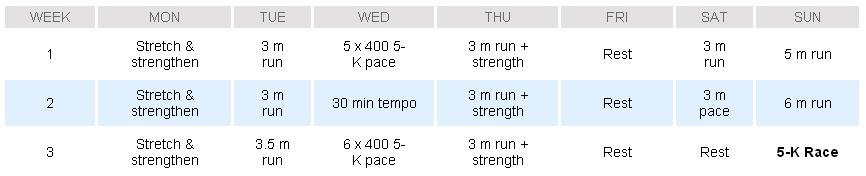
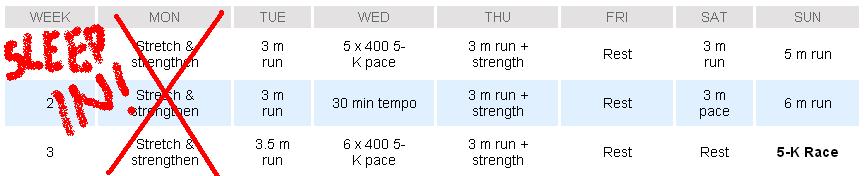
Or in other words, for the last two years of race training, every time my schedule read this:

schedule

I saw this:

schedule2

(I could upgrade to Photoshop, sure, but the rebellious teenager in me would miss Paint’s spray paint tool too much.)

Skipping strength training (and, let’s be honest, stretching as well) didn’t seem to do me much harm as I trained for my first marathon, having little goal in mind except to finish. But with my race times having since plateaued, I’m starting to think running alone isn’t going to cut it for me anymore as I look to improve. Enter strength training.

Although common knowledge used to dictate strength training was detrimental to the distance runner, science now suggests the addition of some lean muscle can actually improve a runner’s VO2 max, strengthen joints and connective tissue, ward off injury and prevent muscle imbalances, particularly when it comes to the smaller stabilizer muscles that are often underutilized when logging flat mile after flat mile. With that in mind, I rolled up to a group strength training class at my gym last week, and while the bicep curls left my forearms screaming, I’m optimistic the net benefit will be well worth the strain.

Weight training scares me, sure, but just like corralling up at the Verrazano Bridge this November 3 isn’t going to make me sterile, I think pumping some light iron on a weekly basis can only serve to improve my overall fitness, making me a better runner at the end of the day. Yes, it might leave me aching, but I think given the reported benefits, I should just grin and bear it.

Smile.
Grinning and bearing.

Do you supplement your running with weight training? Have you seen improvement and/or been elected California governor as a result? 

Spice of Life

I eat oatmeal for breakfast nearly every morning, a home-packed salad for lunch nearly every noon*, greek yogurt for snack every afternoon and some version of the same 10 dishes every evening come suppertime.

*Confession: More like 10:30 a.m. This impatient girl’s lunch has never once survived to see the elusive p.m. hours.

Even when dining out, I tend to gravitate toward the same options over and over again. Salmon, asparagus and lentil puree? Yes, please. Arugula, beet and goat cheese salad? I’ll take two. Multi-grain pancakes with a side of turkey bacon? Your restaurant menu has just made me the happiest bruncher in all of Gotham.

It’s true: When it comes to my culinary decisions, if variety is the spice of life, then I’m not going to be winning a James Beard award any time soon.

But that’s not necessarily a bad thing. Although oft-repeated anecdotes recommend diversifying your diet to keep your taste bubs interested during weight loss, actual science suggests quite the opposite. According to the National Weight Control Registry, which studies why it’s calculably harder to maintain weight loss than lose the pounds in the first place (oh, cruel world), those who successfully beat the odds and do, in fact, maintain significant weight loss for an extended period of time have a number of factors in common:

  • They eat breakfast every day.
  • They watch less than 10 hours of television per week.
  • They exercise, on average, about 1 hour per day.
  • They consume a diet with less food group variety.

That’s not to say they have to eat the same exact foods day in and day out like some people I know.

People = puppy in my lexicon, but you knew that.

To be fair, I do mix it up, but only in the details. Today it was oatmeal with banana. Tomorrow, it will be oatmeal with almonds and strawberries. In the future, it might be oatmeal and metallic robot food. Who knows what the future might bring?

But while extreme variety is largely discouraged when it comes to food selection and weight control, the same can’t be said of exercise. Run the same five-mile loop at the same pace every morning and you may be fit and consistent and content. But run the same loop over and over again and there’s one thing you aren’t going to be: improving.

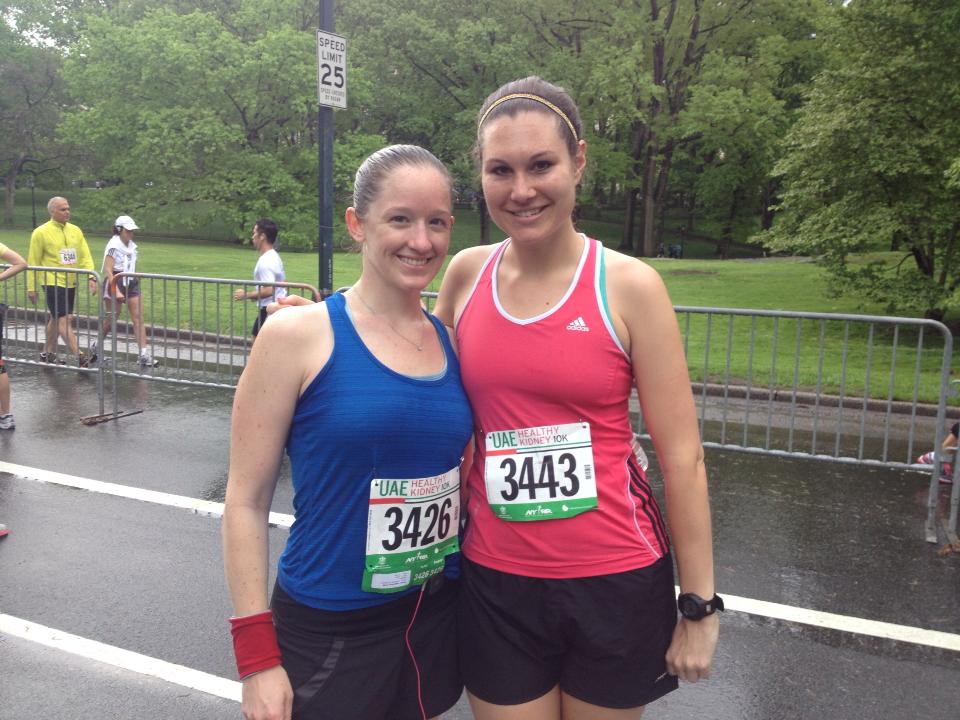
I’ve heard for years that a variety of workouts – intervals, long runs, cross training, hills – is crucial for overcoming fitness plateaus, but as I spent the last year ignoring that advice and logging PR after PR regardless, I couldn’t be bothered to shake up my routine. Fast forward to last Saturday’s brutal performance at the Healthy Kidney 10K that saw me cross the finish line a whopping 5 minutes slower than my distance record and it became painfully clear that a few easy reservoir loops at the same pace each week does not a competitor make.

Funny how much less miserable I looked before the race began.

So in the spirit of overcoming my current fitness stagnation, I’ve decided to do the unthinkable: I’m going to sign up for a sprint triathlon. That’s right: a quarter-mile swim, an 11-mile bike and a 3.1-mile run await me this July in an attempt to break up my routine and push through this athletic plateau. This will be my second sprint triathlon to date, having completed one excruciating attempt during my nonathletic (and non-Saved by the Bell) college years, and I’m definitely out of my comfort zone here.

Fortunately, while the concept of a triathlon is fairly new to me, my race partner and I go way back. In fact, we’ve even swum together in the same open water before.

Thanks for the awesome haircut, Mom, Dad and the 1990s in general.

I’m not going to lie: the notion of lap lanes and weight training and spinning classes scare me more than 1982 classic Poltergeist*, but I think it’s time to get out of my rut and think outside the Bridle Path.

*Just kidding. Nothing scares me more than Poltergeist.

So here goes nothing. Crabman Triathlon or bust!

How are you planning to push yourself this summer?

Welcome Insignificance

After completing my inaugural marathon last fall, you may recall I found myself struggling to generate canine-free copy to fill this space. Following months of long runs and speed work and unbridled excitement, this running blogger suddenly found herself out of the running circuit, giving me all the time in the world to write but few topic ideas of substance and even less motivation to flesh them out. After spending one-third of my year training for and blogging about the lead up to the most exciting 3 hours and 51 minutes of my adult life, nothing in my post-marathon lifestyle seemed big enough to document.

photo 1 (10)
Fact: This actually says “bug” if you only consider my arms.

Fast forward to the weeks following the Boston Marathon and suddenly my ramblings seemed more immaterial than ever.

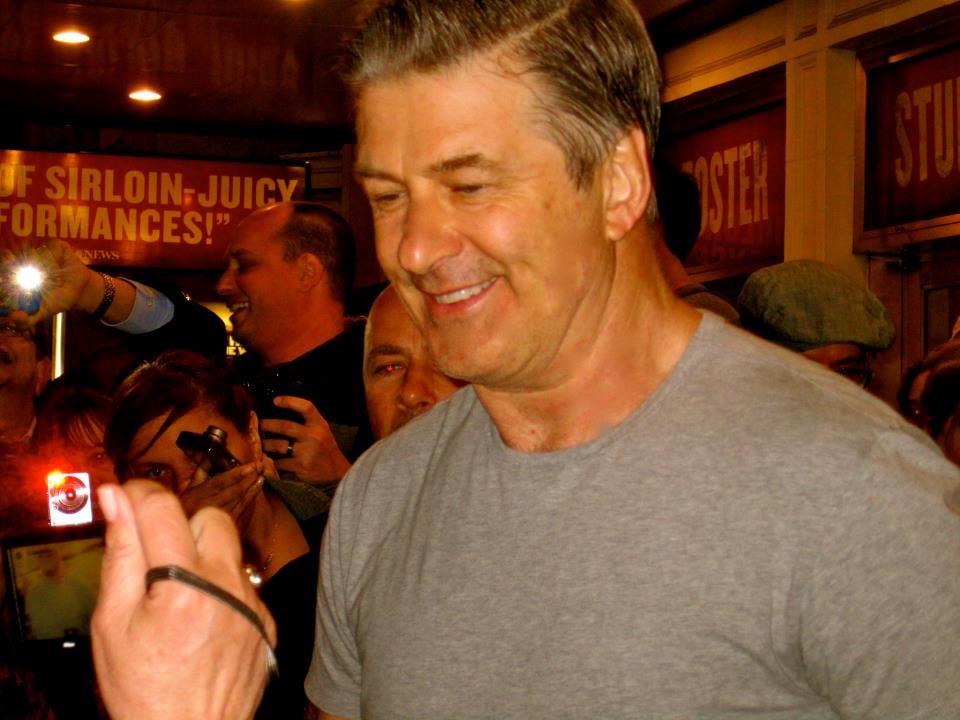
I certainly haven’t meant to disappear from the blogging world these past few weeks. In fact, I’ve been snapping photos left and right in hopes that something would inspire me to re-engage with the online running community. In recent weeks, I raced a 4-miler, spotted Alec Baldwin and finally met (the always lovely) @DCRunster face to face, but in the wake of Marathon Monday and my subsequent responses, nothing since has felt nearly noteworthy enough to warrant your time or the use of this space.

Hence the radio silence. This is a radio I’m writing on, right? Good, just checking. Technology, amIright?

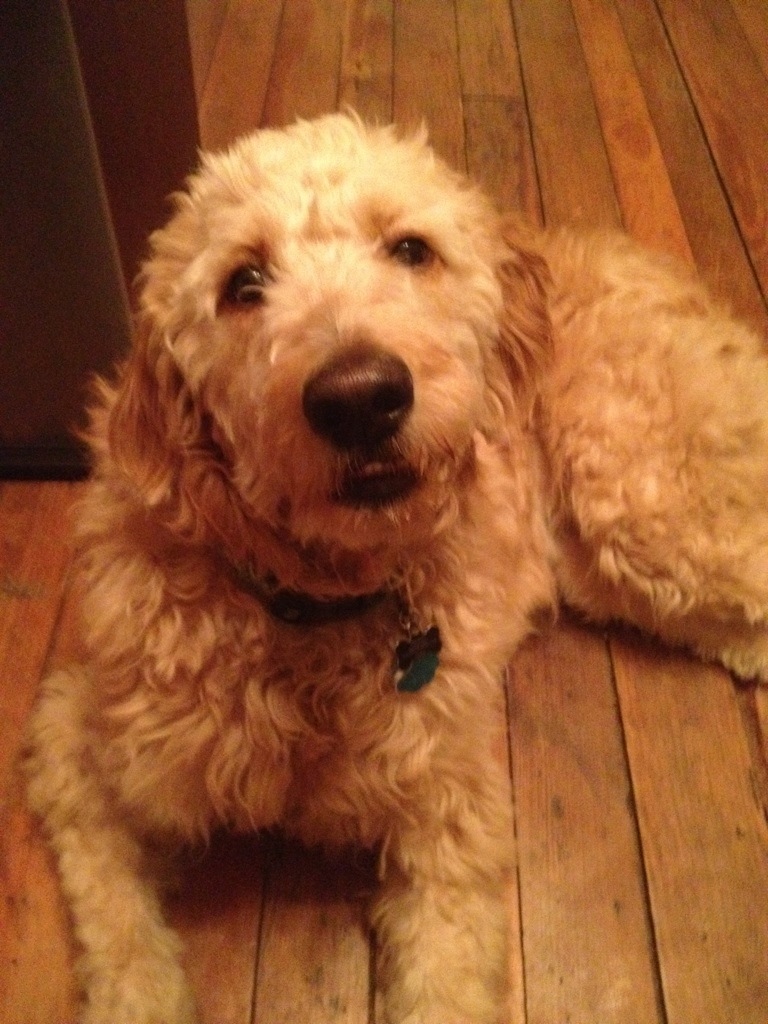
But the truth is, whether or not I have anything material to say, I miss this (occasionally thought-provoking but more often silly) part of my life. Sure, my recent afternoon with my brother’s goldendoodle may be exponentially less important than Dzhokhar Tsarnaev’s ongoing interrogation, but today it hit me: in the aftermath of last month’s events, my small but loyal community of running blog readers could probably use a little lighthearted triviality right about now.

And what better way than via a pictorial re-enactment of Ludwig Bemelmans’ 1939 classic, Madeline? Bring it on.

Last Sunday, Keira and I smiled at the good.

photo 3 (8)

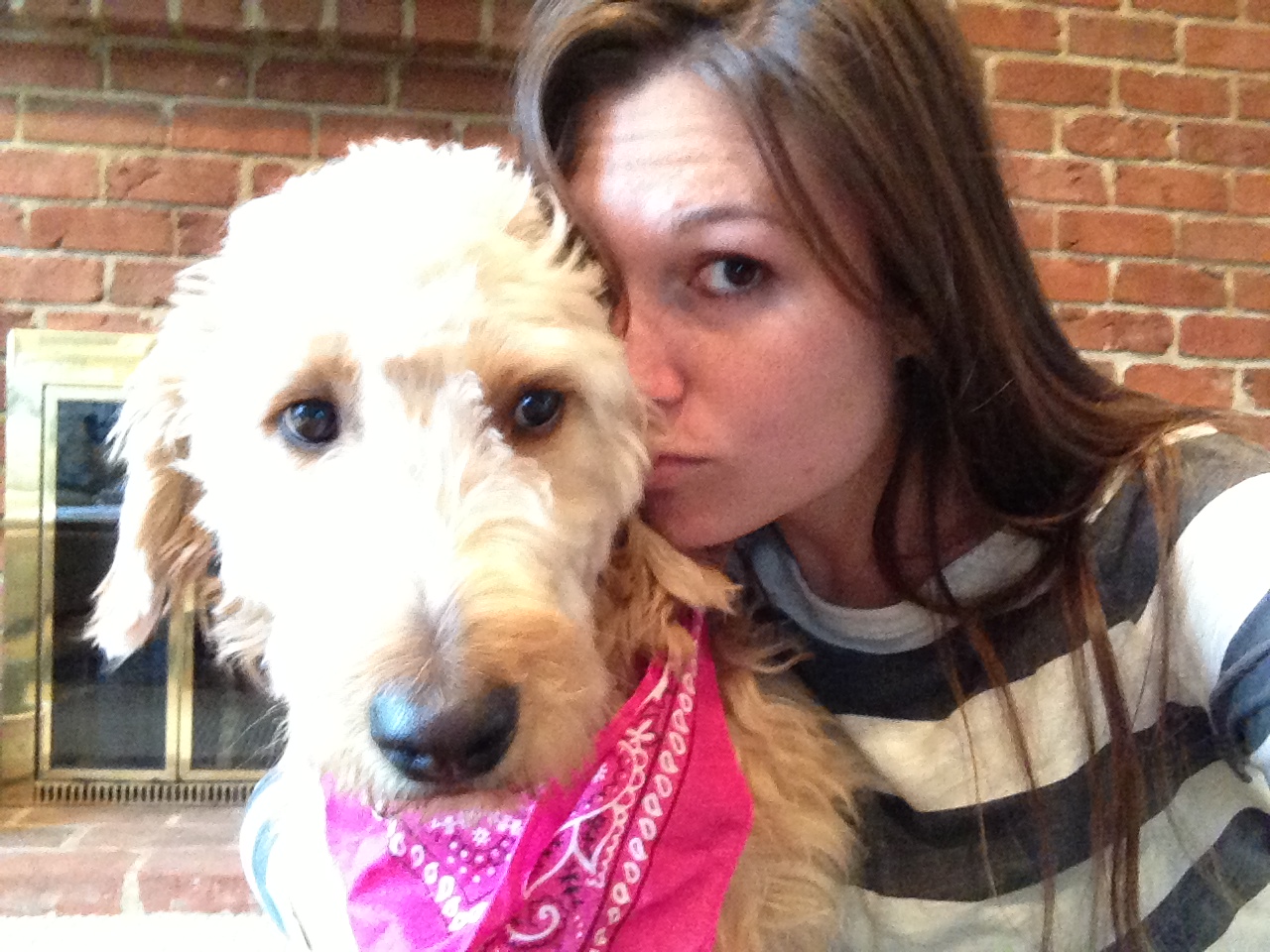
And frowned at the bad.

photo 3 (7)

And sometimes she was very sad.

photo 1 (8)

Insignificant? Sure. But if if my ability to post the above photo series means that nothing so terrible has transpired that I have to forgo my usual buffoonery and blog about fatalities and terror and heartbreak instead, then that’s fine by me. I’ve learned this month that trivality can be a blessing, and it’s one that this re-awakened blogger is very happy for indeed.

What silliness brought a smile to you this week?

Moving Forward

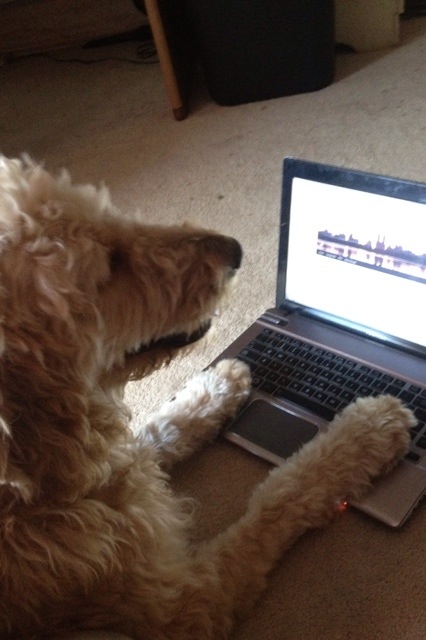
An anonymous blog reader with terrible typing skills, questionable computer privileges and the twitter handle golden.doodle12 emailed today to ask when I’d move on from Boston and start posting gratuitous dog photos again.

20130424-231555.jpg
Do you think our pets use OUR names as their passwords for everything?

The truth is, I don’t think most of us will ever truly move on. The events on Boylston Street that transpired a week ago Monday left both the running community and the nation as a whole feeling targeted, confused and downright terrified in a way only terrorism itself can muster. Shops along the race course may be reopening and the Boston Police Department may have a suspect in custody, but with the understanding that that could have just as easily been me crossing that finish line, I think I speak for a lot of us when I say I don’t think I’m going to be ‘moving on’ any time soon.

I’ve had a lot of friends ask me whether I’ll hesitate to sign up for future races in the wake of last Monday’s attack, and I have to be honest – there does in fact exist a new element of apprehension for me and I imagine countless other athletes alike. I used to worry about PRs and whether I could ramp up mileage quickly enough when I submitted online race registration forms; now, I have a whole new set of previously unfathomable concerns.

“We lost some innocence and some vulnerability on Monday,” Marine Corps Marathon Race Director Rick Nealis told active.com. “It was a wake up call.”

It’s in some ways tempting to give in to the anxiety. It certainly wouldn’t be the first time. Plenty of New Yorkers avoided public transit in the aftermath of September 11, and some travelers still prefer not to fly. Heck, I myself have barely set foot in Times Square since the thwarted 2010 bombings, although – let’s be honest – that’s more a personal decision to maintain my sanity than a survival tactic.

But if we are going to truly move forward from last week’s tragedy, we can’t be living in constant fear. Yes, something absolutely horrendous happened and yes, it could have just as easily been you or me or any of us crossing or cheering alongside that finish line. But choosing to forgo the things we love as a result – be it traveling or racing or (ugh) even Times Square – isn’t the solution. Cliche, sure, but true: if we retire our running shoes because of the heartbreaking events in Boston last week, the terrorists win. Also, the couch makers. And probably diabetes. And no one wants diabetes to win.

So in addition to all the other wonderful things I’ve witnessed people doing in the aftermath of Marathon Monday – from donating to The One Fund to volunteering in the community to simply being a kinder stranger on your next Brooklyn-bound 4 train – I ask that you also do this: sign up for a race.

Whether you’re a seasoned athlete with multiple contests under your belt or a novice walker with no visions of grandeur, there’s an event out there for you. There are countless websites that compile lists of nearby races, like active.com and runningintheUSA.com, and with offerings ranging from timed miles to ultras that would make Scott Jurek cringe, there’s something for everyone.

There are literally thousands of races out there and they all have their merits, but as I personally look to dedicate a summer’s worth of training and my race-day performance to the victims of last week’s bombings, there’s only one event that will do. So yesterday evening, I put my anxieties aside, dug out my credit card and filled in my first race registration form since the Boston race clock read 04:09:43 and our worlds were overturned. And I think it was a good choice.

accepted

I realize the New York City Marathon isn’t for everyone, but if we all go out and sign up for an event, it will mean something. It will allow us to honor those who fell last Monday, it will prove we won’t be terrorized and – above all – it will demonstrate that we’re beginning to move forward. And luckily, moving forward is something we runners are good at.

What will your race be?

It Takes a Village

When news broke last Monday of the Boston Marthon bombings, my initial thoughts centered around a core theme: ‘Why would anyone specifically want to target runners?’

In the wake of last November’s ING New York City Marathon cancelation, runners were branded by some media outlets as selfish and short-sighted and out of touch, but in my experience, that couldn’t be further from the truth. Sure, we spend an unnatural amount of time thinking about ourselves – about our gaits, about our nutrition, about our injuries – but we also fundraise for research and race for charities and volunteer at packet pick-ups and water stations and finish lines, keeping us intimately involved in both our local neighborhoods and our larger communities.

To be fair, every group features its fair share of braggarts and bad sports, and the running community is no different. But in my two-year tenure as a member of the pack, the vast majority of runners I’ve met are friendly, passionate and engaged individuals. Runners by nature must be disciplined and focused yet appreciative and flexible, and as a result, I think it’s no coincidence that some of the nicest people I know wake up early every morning to lace up, stretch out and pound the pavement.

My reaction to Monday’s events was raw and multifaceted and complicated – I was sad, I was angry, I was frightened, I was shocked – but above all, I was confused: why would the Tsarnaev brothers allegedly look to target a group as positive and good natured as runners?

But as more details trickled in and the 24-hour news cycle began subbing misinformation with facts, it became painstakingly clear that the bombing suspects hadn’t been specifically targeting runners after all. They were seeking mass collateral damage. They were targeting spectators.

Five days out, news reports are still murky at best, but consensus reporting seems to suggest friends and family waiting at the finish line bore the brunt of the casualties on Marathon Monday. Indeed, it appears it was not runners themselves – but runners’ support systems – that suffered the worst physical impacts in Boston last week.

Suddenly, I’m not just angry. I’m furious.

As anyone who’s ever planned a weekend around a 20-mile long run knows, marathon training is only possible with the unwavering support of one’s family and friends. How many times have you made a friend plan a mealtime around your multi-hour workouts or had your parents meet you at the finish line so you could skip the crowded subway or suggested your boyfriend forgo a Friday night on the town to stay in and eat pre-race pasta with you instead? And let’s not forget those friends and family who wake up alongside us before the sun, bundle up, and make their way all the way to the race course just to momentarily wave a sign or shout a word of encouragement as we registered runners sprint past. Sure, they might be rewarded with a sweaty hug or an invitation to brunch, but us runners undeniably get far more out of the deal: motivation, support and the promise of a familiar face in those final few miles when it would be easier to simply throw in the towel and step off the marathon race course unnoticed.

I’ve been fortunate to have support in the form of spectators at a number of my races, but none more so than at the Marine Corps Marathon in October. I knew my father, brother and a handful of cousins were planning to stake out spots somewhere between miles 16 and 18, and as a result, that stretch flew by as I scanned the crowd for their faces. I finally spotted them in front of the National Gallery – and again when they sprinted across the mall to catch me on the south side of the loop – but for all the excitement they instilled in me, what did they get? A 90-minute commute to Washington, three hours under chilly October cloud cover and thirty seconds of my sweaty face. And only I walked away with a medal. For all the encouragement and patience and support they offer us, spectators clearly get the short end of the stick.

20130420-162617.jpg

Don’t get me wrong. I’m in no way trying to suggest the injured marathoners now being treated in Massachusetts hospitals are any easier to come to grips with. They had worked so hard to qualify and train for the most elite marathon out there – Boston – and everyone wearing a bib that day – from the front runners to the injured to those unable to finish – will undoubtedly bear heinous physical or emotional scars from that day forward.

But many of the runners – both those in intensive care and those fortunate enough to walk away unscathed – would not have been able to compete in the first place had they not had the support of their husbands and wives and boyfriends and girlfriends and partners and friends and children during 20 weeks of training and along the race course itself.

It’s for that reason that the hundreds of spectator casualties recorded in Boston are so difficult to come to grips with. We as marthoners are only able to do what we do because of those standing behind us – or more accurately, alongside us – every mile of the way.

So I’d like to use this space today to thank those of you who have come out in the past to support the runners in your life – be it me or someone close to you or perhaps a race full of strangers fortunate enough to have you in the crowd. We couldn’t train or race without you, and as we all begin to heal from Monday’s tragic events, I apologize in advance: I fear we are going to lean on you more than ever.

At the same time, know that when you sign up for your first race, I’ll be waiting at the finish line to welcome you home. Cheering on friends is one of life’s great pleasures, and no one is going to take that away from us.

20130420-162515.jpg

How has your support group been instrumental in your training?

Boston

When I crossed the finish line at my very first marathon this past October, I had tears streaming down my face. I was crying because I was proud. I was crying because I was exhausted. I was crying because I had completed something a year earlier I had known to be impossible.

If I cross the finish line in New York City this November, I’ll have tears streaming down my face for an entirely new reason.

There’s very little I can say about today’s events, except that something horrendous has rattled the traditionally resilient running community and left its individual members feeling targeted and violated and shattered. It broke my heart last November when NYC runners couldn’t race after all those months of dedicated training due to Hurricane Sandy, but this is on a scale previously unfathomed.

To think just this morning I tweeted ‘Godspeed, #BostonMarathon runners! Run wicked smaht!’ I didn’t realize they’d be running for their lives.

We don’t know yet what the events in Boston today mean for our sport or for future races or most importantly, for the athletes and spectators involved. All I do know is something tragic has occurred, both to individuals and families as well as to the running community and our nation as a whole, and that as a result, we will be forever changed.

I find myself hoping a lot of things in the aftermath of the Boston Marathon. I hope this was an isolated event. I hope they catch whoever did it. I hope this doesn’t prevent other out-of-shape people, like me two years ago, from discovering a surprise love for the sport, setting a nearly unattainable goal with little expectation of succeeding, and proving herself gloriously wrong.

Most of all, I hope you’ll all join me in keeping the runners, spectators and first responders today in your thoughts and prayers. Boston, you’re on my mind tonight – and evermore.

20130415-233428.jpg

Running Smarter

There are a lot of things in this life I’m not smart about – petting stranger dogs, wearing an O’s shirt to Friday night’s Yankees game, remaining an Orioles fan after that brutal triple play – but when it comes to racing, I’ve started to learn a thing or two.

You know how I know?

This morning, I completed my fifth – and fastest – half marathon to date and I didn’t do it by running harder. I did it by running smarter.

After an offseason free of tempo runs, weight training and general athletic upkeep, all signs pointed to a weak performance at today’s More Magazine/Fitness Magazine Women’s Half-Marathon in Central Park. Throw in the fact that my last half marathon PR was logged with a pacer who consistently runs 6-minute miles and I was positive I wasn’t going to be crossing that finish line faster than 1:51.

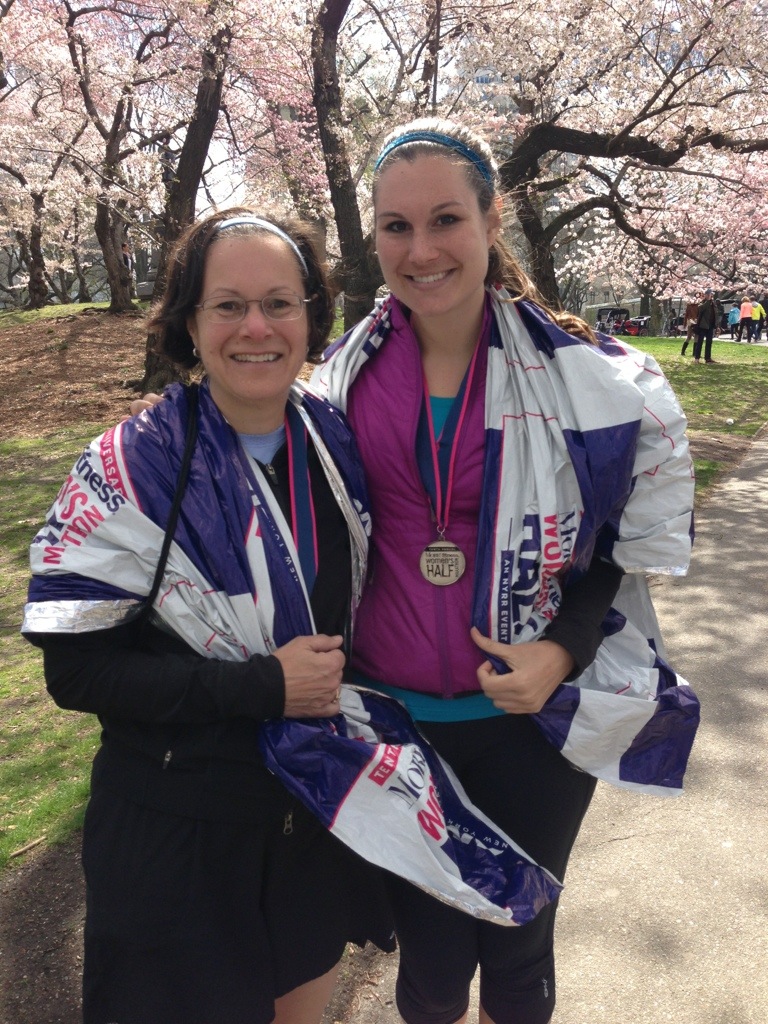
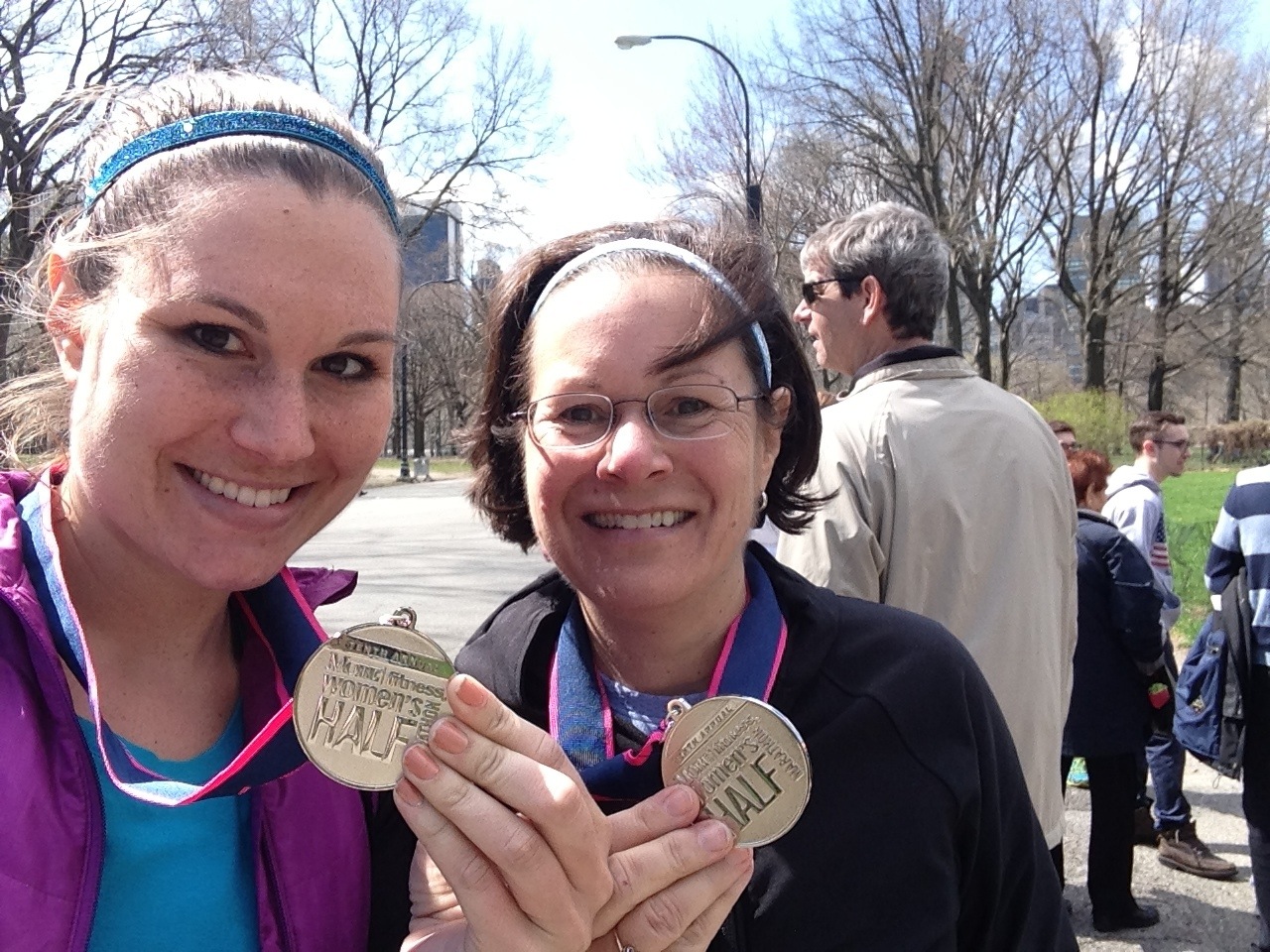
But I did. I crossed at 1:49:54 for an average pace of 8:24, marking my first ever 13.1-mile feat in the 1:40s – albeit the end of them – and a new surprise personal best. (My mom also recorded a PR, as this was her first half marathon ever. Way to go, Mama Bear!)

20130414-211106.jpg

How did I do it? I won’t pretend to take credit for the following wisdom, because lord knows we’ve all been hearing this advice for years: start out slow, keep your pace steady, don’t drop the hammer until the final stretch. But after last week’s failed attempt at a new 10K PR that saw me shoot out the gate and quickly lose speed around mile 4, I decided to take my own advice and rein myself in today until about mile 10. ‘The real race starts after my second climb of Harlem Hill,’ I kept telling myself. For once in my life, I listened.

And it paid off. As much as I wanted to sprint and weave during the first few miles, especially after timing into the first corral for the first time in my life (!), I held back and kept a steady 8:30 pace. Frustrating to have so many other runners pass me during the first half of the course, sure, but worth it when I still had juice in my legs as we made our final descent down the West Side. I picked up speed those last few miles as other runners slowed down and rounded the finish line with a new one-minute-and-five-second PR – and just enough time to loop back to welcome my mom down the finisher’s shoot to boot.

20130414-214118.jpg

Don’t get me wrong: I can guarantee there will still be plenty of dumb races in my near future – races that see me start too fast, races that see me hydrate poorly, races in which I don’t have the mental will to push on. But today wasn’t one of them. Today, I ran smart.

Also smart? Keeping your poorly groomed canine out of the limelight. On an unrelated note, my brother is now accepting locks of love donations from any particularly altruistic poodles.

20130414-220623.jpg

How did you race or train or play smart this weekend? Orioles need not respond.